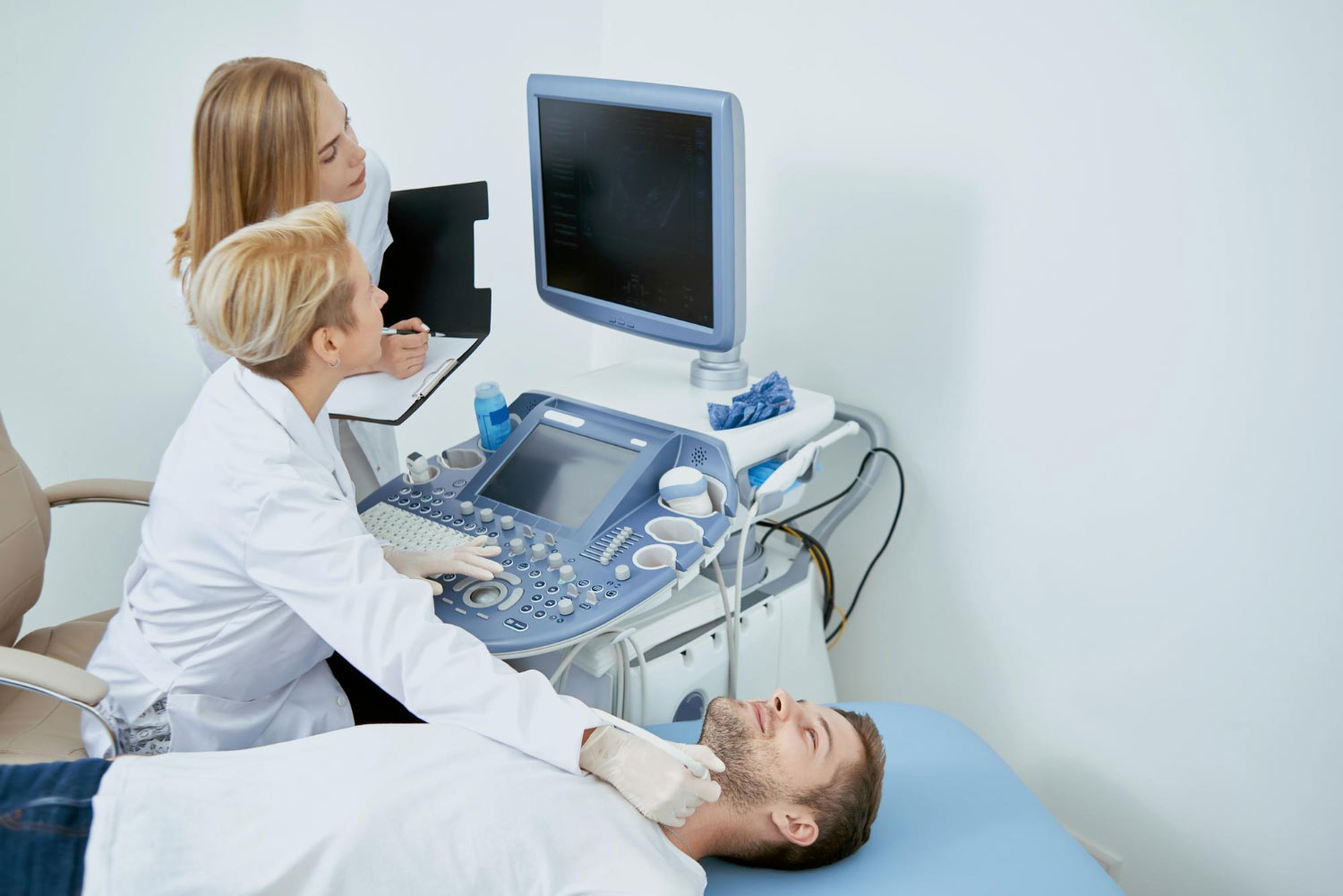
At Dr. Nimbalkar Diagnostics, we use high-frequency sound waves to create real-time, high-resolution images of the body’s internal organs, soft tissues, and blood flow. Our non-invasive ultrasound services provide the critical insights your doctor needs—without any exposure to ionizing radiation.
Why Trust Our Sonography?
Expert Radiologist Supervision: Every scan is performed or supervised by highly qualified radiologists, ensuring that even the smallest clinical details are accurately captured.
3D/4D Imaging Technology: Experience the latest in fetal imaging, providing clearer, more lifelike views during pregnancy.
Non-Invasive & Radiation-Free: Our ultrasound technology is 100% safe for pregnant women, infants, and patients requiring frequent monitoring.
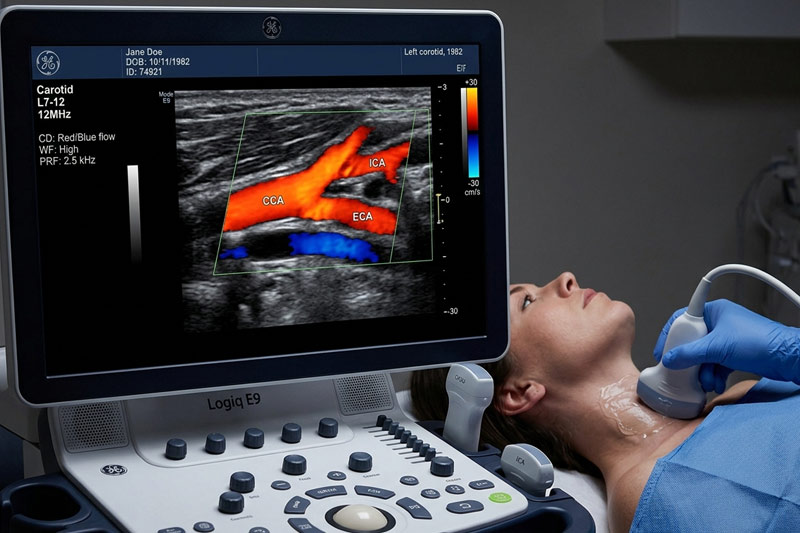
Color Doppler Integration: We offer advanced Doppler studies to assess blood flow in real-time, vital for vascular and fetal health assessments.
Comprehensive Range of Ultrasound Scans
We offer specialized sonography services across various medical disciplines:
Obstetric & Pregnancy Scans
Routine Pregnancy Scans: To monitor fetal growth and well-being.
NT/NB Scan: Early screening for chromosomal health.
Anomaly/Target Scan: A detailed 18-20 week survey of the baby’s anatomy.
Fetal Doppler: To ensure the baby is receiving adequate blood flow and nutrition.
Abdominal & Pelvic Imaging
Whole Abdomen: Screen for kidney stones, gallstones, liver conditions, and appendicitis.
Pelvic Ultrasound: To evaluate the uterus and ovaries for conditions like PCOD/PCOS or fibroids.
KUB (Kidney, Ureter, Bladder): Specialized scan for the urinary system.
Small Parts & Specialized Scans
Thyroid & Neck: To detect nodules or inflammation.
Breast Sonography (Sonomammography): For early detection of lumps or cysts.
Follicular Studies: Precise monitoring for fertility and ovulation cycles.
Color Doppler Studies
Arterial & Venous Doppler: To detect deep vein thrombosis (DVT) or varicose veins.
Carotid Doppler: Assessing stroke risk by checking blood flow to the brain.